A Good Shoot Can Still Mess You Up
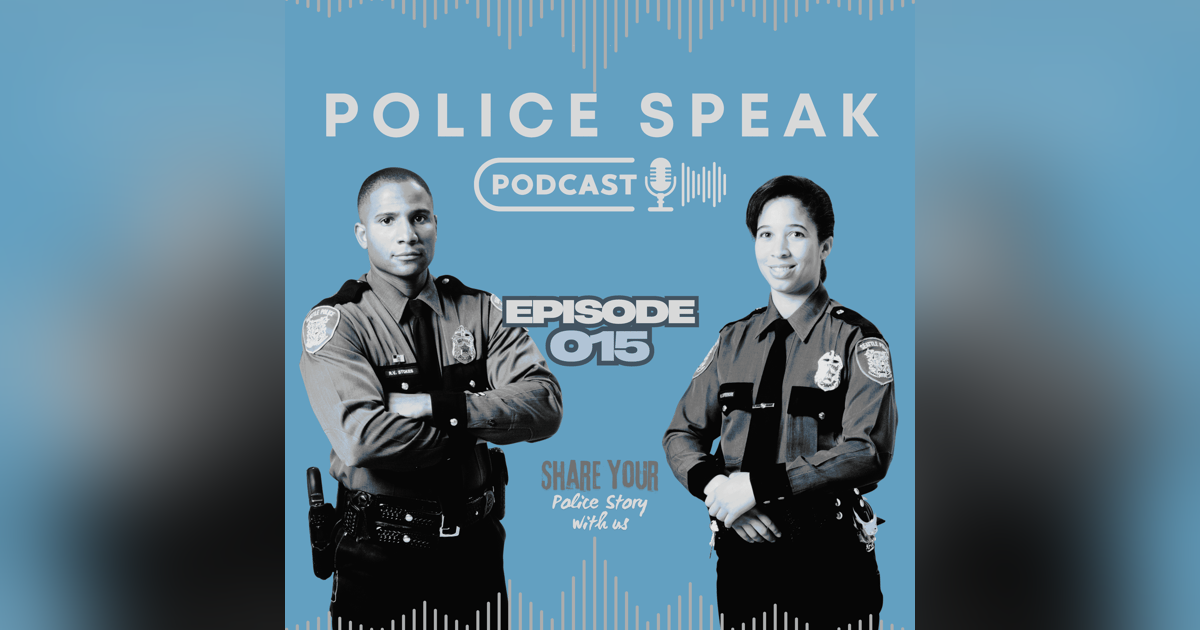


Episode 015
FREE Critical Incident Recovery Protocol
Dale Pritchett's story isn't some dramatic rescue or heroic takedown—it's about the real weight we carry after a justified shoot. This episode dives into the nitty-gritty of how even a clean shoot can haunt us long after the scene is cleared. Dale’s been on patrol for 28 years, yet he's still replaying a call from three years ago, and he's not alone in this struggle. We’re talking about the hidden toll of our job and the struggle to find real support when you're miles away from the nearest peer team. If you’re a deputy feeling the strain but unsure how to deal, this episode's got the goods to help you build resilience before it becomes a crisis.
Dale Pritchett's experience as a deputy shines a light on a critical issue many officers face but rarely talk about. After his involvement in a shooting, Dale found himself replaying the incident in his mind, struggling with sleepless nights and a sense of unease that affected his daily life. His story is a stark reminder that even when we do everything right, the psychological impact can linger. This episode delves into the importance of building resilience skills before they’re needed, emphasizing that we can’t wait until we’re overwhelmed to seek help. We discuss the challenges of being a law enforcement officer in rural areas, where support systems are often far away and the culture can discourage vulnerability. Dale's journey of silently carrying his weight is common among officers, and it highlights the need for a shift in how we approach mental health in law enforcement. Instead of viewing resilience skills as therapy, we frame them as essential tools for operational readiness. Throughout the conversation, we share actionable insights and highlight the significance of peer support among officers. Dale's story helps reinforce that recognition of our struggles is just the beginning. We need to foster an environment where officers can openly discuss these issues without fear of judgment. This episode is not just about Dale; it's about all of us in law enforcement learning to prepare and support each other in managing the unique stresses of the job.
Takeaways:
- When you're on a call and things go sideways, it's normal to replay that scene in your head for years—you're not alone in that.
- Just because you legally did everything right doesn't mean you're fine—mental scars don’t have a statute of limitations.
- Building resilience isn't about therapy; it's about giving you the tools to handle what comes next—before it hits you.
- Peer support is about cops helping cops—no long drives, no waiting for a psychologist to show up, just real talk and real tools.
FREE Critical Incident Recovery Protocol
Mentioned in this episode:
Get Your Copy of the Critical Incident Recovery Protocol Today!
Click the link here and get your copy of the Critical Incident Recovery Protocol. Don't worry, it's completely FREE.
FREE Critical Incident Recovery Protocol
Get Your Critical Incident Recovery Protocol HERE!
Click the link here and get your copy of the Critical Incident Recovery Protocol. Don't worry, it's completely FREE.
00:00 - Untitled
00:26 - The Legacy of Law Enforcement
00:26 - Introduction
02:45 - The Aftermath of the Shooting
03:24 - Dale's Struggles with Alcohol and Memory
05:22 - The Struggles of Rural Law Enforcement
08:39 - Understanding the Impact of Justified Shooting on Officers
10:22 - Introduction to Peer Support and Resilience
Foreign.
Speaker ADale Pritchett has been a deputy in Stillwater County, Montana for 28 years.
Speaker AYears.
Speaker AThird generation law enforcement.
Speaker AHis grandfather was town marshal back when that meant something.
Speaker AHis father was a deputy until he died of a heart attack at 58.
Speaker ADale's a patrol sergeant now.
Speaker AFirearms instructor on the call out team when they need an extra body in a County with 18 deputies covering 1,800 square miles, everybody does extra jobs.
Speaker ANovember 2022, Dale responded to a domestic call alone.
Speaker ASubject was a 19 year old kid strung out on meth, armed with a hunting rifle.
Speaker AThe kid came at Dale.
Speaker ADale fired.
Speaker ASubject down.
Speaker AClean shoot.
Speaker ASubject's father thanked him at the hospital.
Speaker AThree years later, Dale still thinking about.
Speaker AWe've been in your shoes.
Speaker ALying awake at 3am replaying that call over and over again.
Speaker AFeeling hyper vigilant at the grocery store.
Speaker AWatching peers struggle and not knowing what to say.
Speaker APolice speak was created by officers tired of seeing good people break down.
Speaker AWe understand the job because we've lived it and we've processed what you're experiencing.
Speaker AYou'll hear stories about what's worked after difficult calls.
Speaker AA framework that outlines your resilience across six key areas.
Speaker AWe provide peer support skills you can use starting tomorrow.
Speaker ABuild resilience before adversity overwhelms it.
Speaker AOfficers teaching officers.
Speaker BGood shoot can still mess you up.
Speaker BJustified don't mean it doesn't haunt you.
Speaker AThat's the thing nobody tells you in the academy.
Speaker AJustified doesn't equal easy.
Speaker ALegal doesn't equal livable.
Speaker ADale did everything right.
Speaker ADepartment cleared him.
Speaker ADA declined to file.
Speaker ASubject's dad shook his hand and said he knew his son made his own choices.
Speaker AThat thank you stuck in Dale's throat.
Speaker AStill does.
Speaker AAfter the shooting, the department brought in a psychologist from Billings.
Speaker ATwo hour drive each way.
Speaker AShe came out three times.
Speaker AAsked Dale how he felt.
Speaker BI don't know how I felt.
Speaker BStill don't.
Speaker BShe was nice enough.
Speaker BJust didn't help much.
Speaker AThat's where it ended.
Speaker AThree sessions.
Speaker ANo follow up, no local resources.
Speaker AThe nearest peer support team is 120 miles away.
Speaker ADale went back to work.
Speaker APatrol shifts.
Speaker AFirearms qualification on call for the team.
Speaker AEverything looked fine from the outside.
Speaker ABut Dale started drinking more.
Speaker ANot falling down drunk, just more.
Speaker AA couple beers after shift became three, then four.
Speaker AHelps him sleep.
Speaker AExcept it doesn't.
Speaker AHe wakes up at 3am most nights.
Speaker ASometimes it's the shot replaying.
Speaker ASometimes it's nothing he can name.
Speaker AJust awake, staring at the ceiling while Linda sleeps next to him.
Speaker BSleep less.
Speaker BGet short with Linda over nothing.
Speaker BNo, that's not right, but don't know how to fix it.
Speaker ADale runs a small ranch on the side.
Speaker A40 head of cattle.
Speaker APhysical work helps fixing fences, moving cattle, checking water.
Speaker ACan't think when you're working, but the thoughts come back every time he stops moving.
Speaker AIn a county this size, everybody knows everybody.
Speaker ADale knew the subject's family before the shooting.
Speaker AStill knows them after.
Speaker AThe subject's father raises horses.
Speaker AGood man by all accounts.
Speaker AHis son got into meth.
Speaker AThings went bad.
Speaker ADale knows the whole story.
Speaker ADoesn't make it easier.
Speaker BSee each other at the feed store sometimes nod, keep moving.
Speaker BWhat are you supposed to say?
Speaker ADale carries something the investigators never measured.
Speaker AThe subject's dad thanked him, acknowledged his son was armed, was a threat, and made his own choices.
Speaker ADale can't stop thinking about it anyway.
Speaker AThree years in, Dale's wife Linda tells him he needs to talk to someone.
Speaker AThe younger deputies at the office mention peer support programs.
Speaker AOne of them shows Dale the Police Speak podcast.
Speaker AOn his phone during a shift.
Speaker ADale listens, hears other officers talking about stuff they went through.
Speaker ANot therapy talk, just cops talking to cops.
Speaker BDeputy said I should listen.
Speaker BDid.
Speaker BWife said maybe sharing would help.
Speaker BDon't know that I want to, but if some other deputy in the middle of nowhere doesn't have to white knuckle it like I did, that's something.
Speaker AHere's what nobody talks about.
Speaker AWhat happens when you're 120 miles from the nearest peer support team, when the department psychologist drove out three times and that was it.
Speaker ADale's not alone in this.
Speaker AThousands of deputies in rural departments face the same long distances.
Speaker AThin resources.
Speaker ACultural resistance to asking for help.
Speaker BResources out here are thin.
Speaker BNearest pier supports 120 miles.
Speaker BIf you got nothing close, you're on your own.
Speaker BThat's a problem.
Speaker AIt's not just geography, it's culture.
Speaker ASmall departments, everybody knows your business.
Speaker AAdmitting you're struggling feels like admitting weakness feels like making a big deal out of something you should handle.
Speaker ADale's third generation law enforcement.
Speaker AHis dad worked until he dropped dead at 58.
Speaker AGranddad never talked about what he saw as town marshal.
Speaker AYou just did the job.
Speaker ABut doing the job while drinking more, sleeping less, snapping at your wife over dishes left in the sink.
Speaker AThat's not sustainable.
Speaker ADael knows it, doesn't know what to do about it.
Speaker AThree years is a long time to wait.
Speaker ADale's not in crisis.
Speaker AHe's not suicidal.
Speaker AHe's not falling apart.
Speaker AHe's showing up teaching firearms qual, running the ranch.
Speaker AFrom the outside, he looks fine.
Speaker AThat's what makes this dangerous?
Speaker AThe assumption that if you're still working, you're okay.
Speaker AThe idea that a justified shoot shouldn't affect you because you did everything right.
Speaker BThis feels like the kind of thing I should have done two years ago, maybe three.
Speaker BWaited too long.
Speaker BThat's probably part of the problem too.
Speaker ARecognition is the first step.
Speaker ANot the easy step, not the comfortable step, but the necessary one.
Speaker ADale's starting to see that justified doesn't equal unaffected.
Speaker AThat doing your job doesn't mean you're immune to it.
Speaker AThat waiting for it to go away on its own doesn't work.
Speaker ASo what's the answer for deputies like Dale?
Speaker AFor rural officers with no peer support nearby?
Speaker AFor departments with three psychologist visits and nothing after the crisis only system doesn't work.
Speaker AIt waits until you're broken, then offers help that's two hours away and ends after three sessions.
Speaker AIt assumes justified shoots don't leave marks.
Speaker AThe alternative is giving deputies tools before they need them.
Speaker ATeaching them to recognize struggles early, not three years late.
Speaker AConnecting them with other officers who've been there.
Speaker APrevention over crisis response.
Speaker AThat's the shift that needs to happen.
Speaker AOnline training means a deputy in Montana can access the same peer to peer resilience skills as someone in la.
Speaker AOfficers teaching officers practical tools from people who've done the job.
Speaker AFor Dale, having those skills earlier might have changed the timeline.
Speaker AMight have given him language for what he was experiencing.
Speaker AMight have shown him he wasn't the only deputy carrying something he couldn't name.
Speaker AThree years is too long to wait.
Speaker ABut it's not too late to start.
Speaker ADale Pritchett's story isn't dramatic.
Speaker ANo breakdown, no crisis intervention.
Speaker AJust a good deputy doing his job while quietly carrying weight he can't name and doesn't know how to set down.
Speaker AThat's the danger of the good shoot assumption.
Speaker AThe idea that justified equals fine.
Speaker AThat legal clearance equals emotional clearance.
Speaker ADale knows now he waited too long.
Speaker ABut he's starting to talk.
Speaker AStarting to recognize that something's wrong.
Speaker AThat's not weakness.
Speaker AThat's the first step toward actually managing this instead of white knuckling through it.
Speaker BDon't wait as long as I did to figure out something's wrong.
Speaker AIf you're a deputy in the middle of nowhere dealing with something you can't name, you're not alone.
Speaker AThe distance is real.
Speaker AThe lack of resources is real.
Speaker ABut the isolation doesn't have to be permanent.
Speaker APeer to peer resilience works because it's officers teaching officers.
Speaker ANo two hour drive, no three sessions in done.
Speaker AJust practical tools from people who've been there.
Speaker AThis is Police Speak Officers teaching officers.
Speaker AVisit policespeak.org RFA to learn more about Resilience First Aid certification.
Speaker AIf this conversation landed take the next step.
Speaker AGo to the Show Notes and complete complete the five minute PR6 assessment.
Speaker AYou'll see your current resilience baseline across six domains were you're strong where you're vulnerable.
Speaker AIt's the same tool we use in RFA certification.
Speaker AWant to be on the podcast?
Speaker AWe're looking for officers who've managed accumulated exposure and figured out what actually works, not clean recovery stories.
Speaker AWe need the setbacks, the plateaus, the tools that failed and the ones that stuck.
Speaker AHit the link in the show notes, fill out the form.
Speaker AWe keep it confidential and work with you on how your story gets told.
Speaker AYou can also join the Police Beat Community officers having these conversations every day, not just when the podcast drops links in the Show Notes.
Speaker AThanks for listening.
Speaker ASee you next week.
Speaker ASam.

